
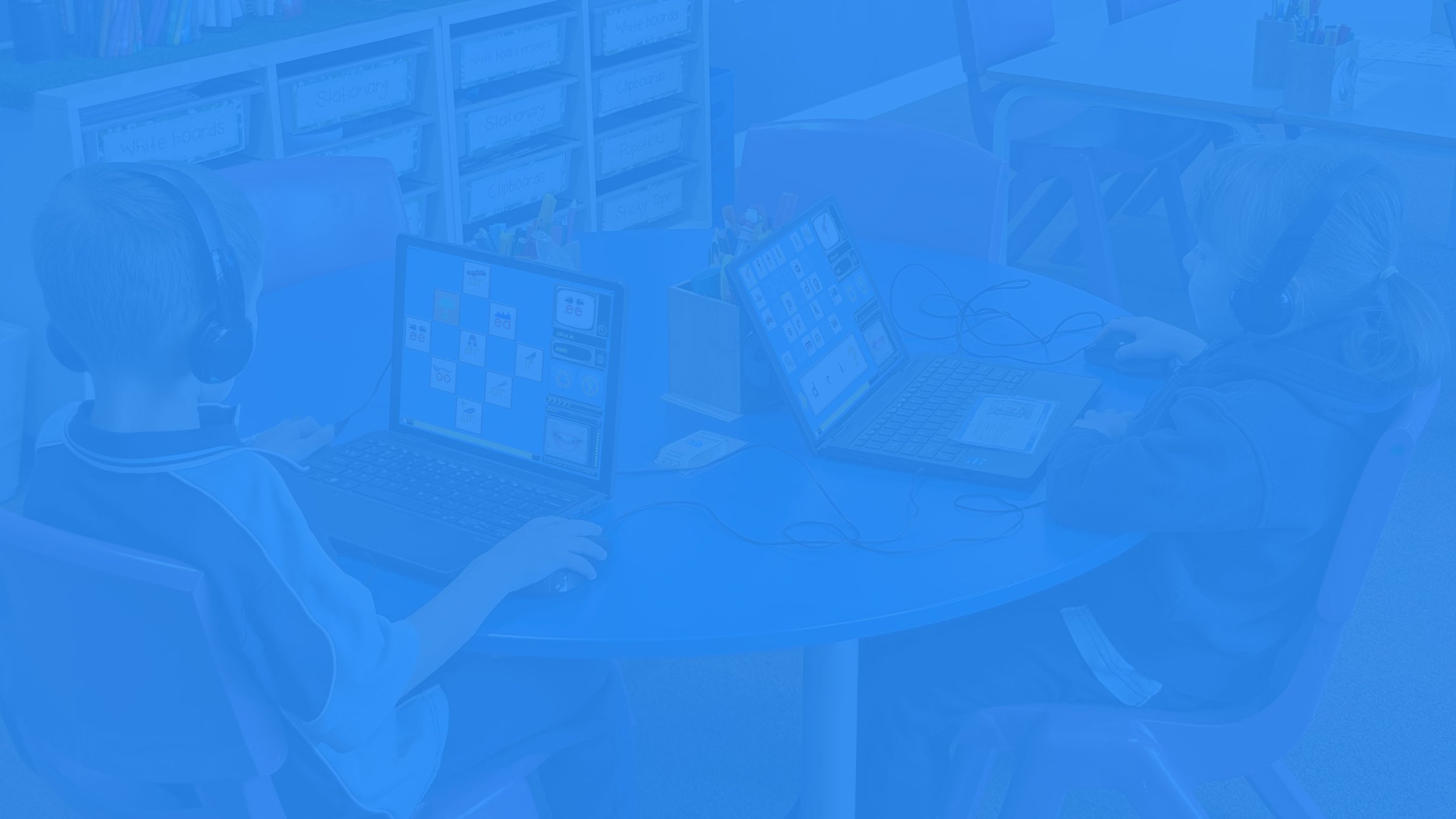
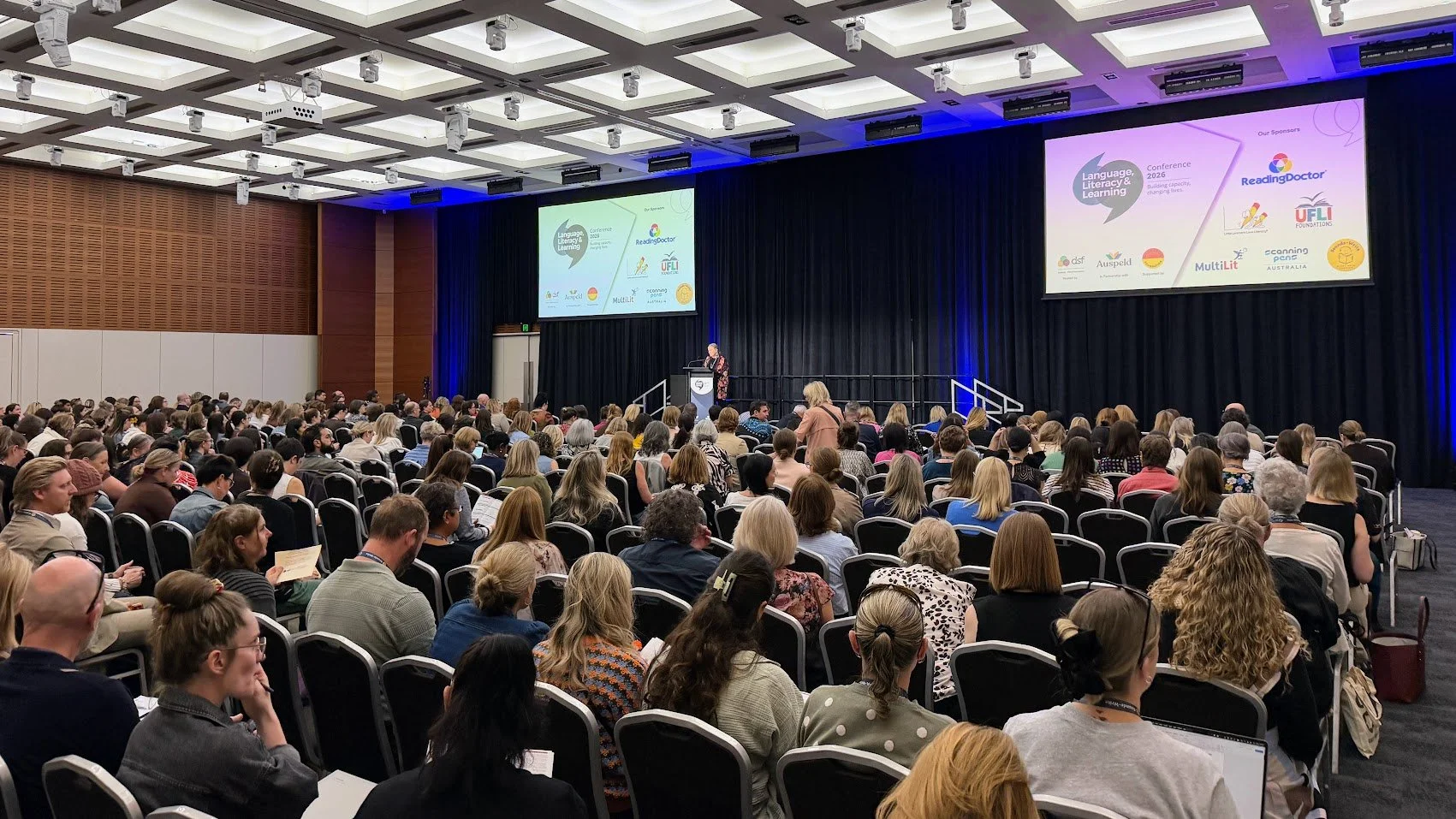
Independent researchers from Flinders University recently presented findings from a large evaluation of ReadingDoctor® Online at the 2026 DSF Language, Literacy and Learning Conference in Fremantle. The conference brings together educators, school leaders, speech pathologists, psychologists, researchers and other professionals interested in evidence-informed approaches to literacy, language, learning and student wellbeing (DSF Conference).
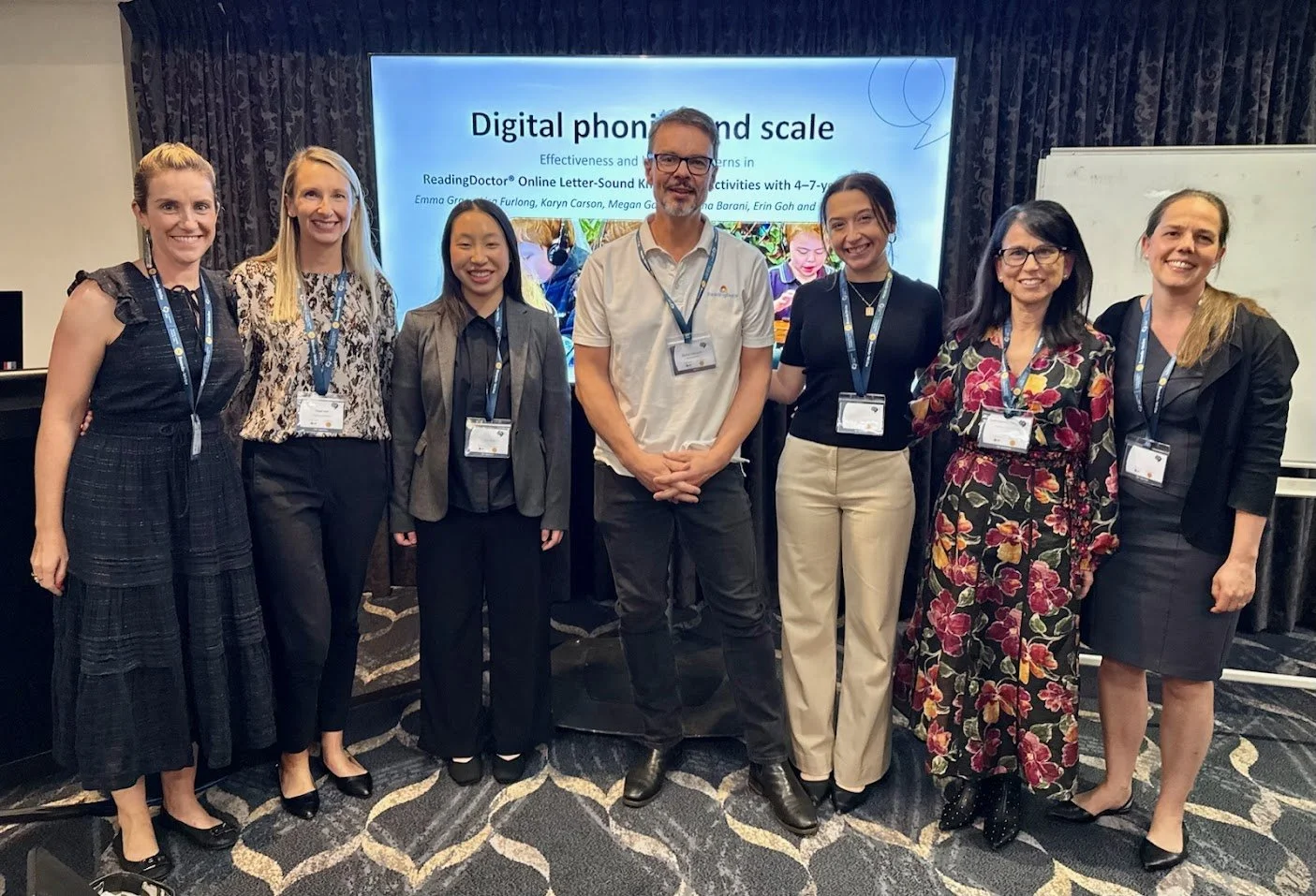
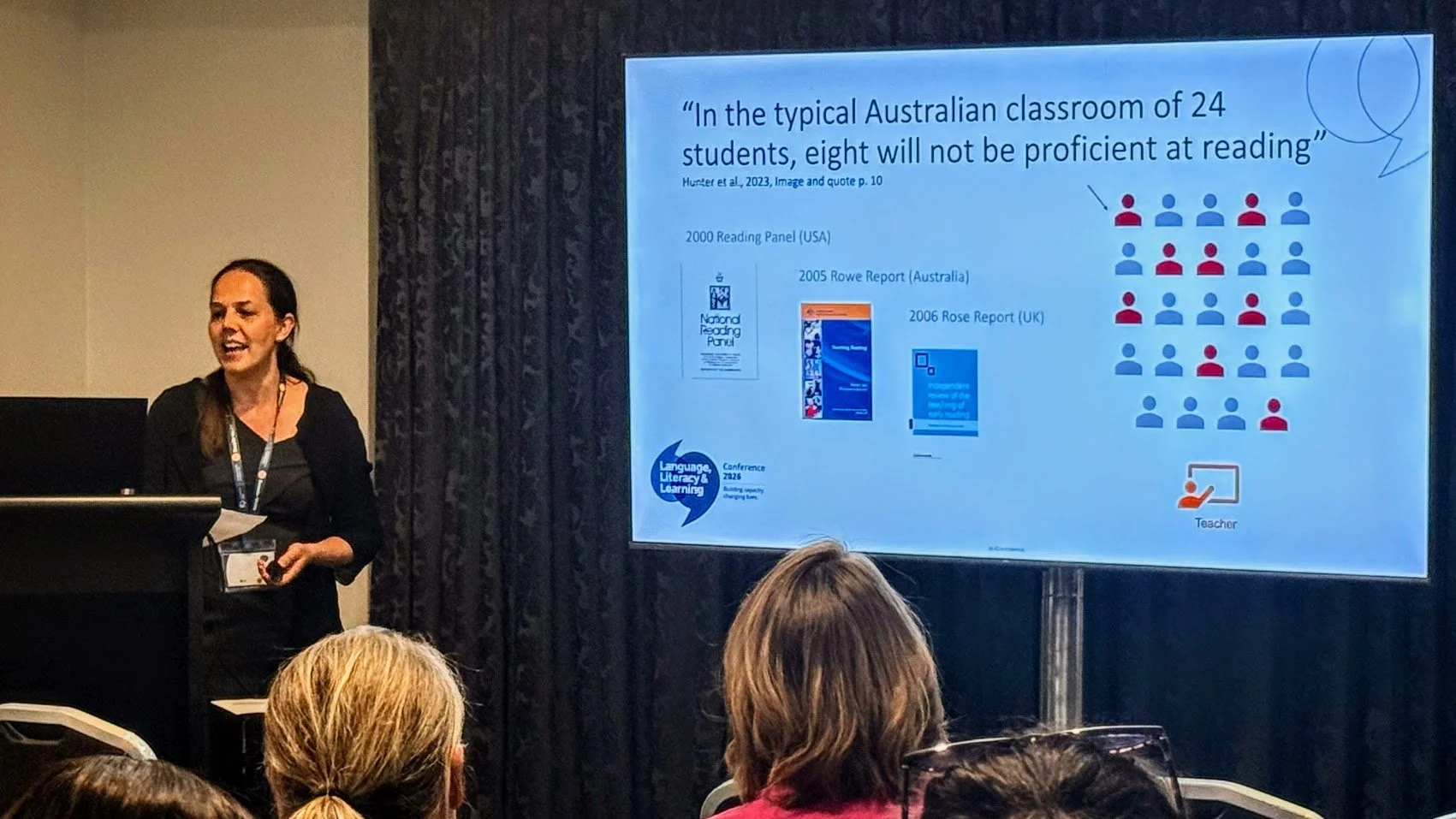
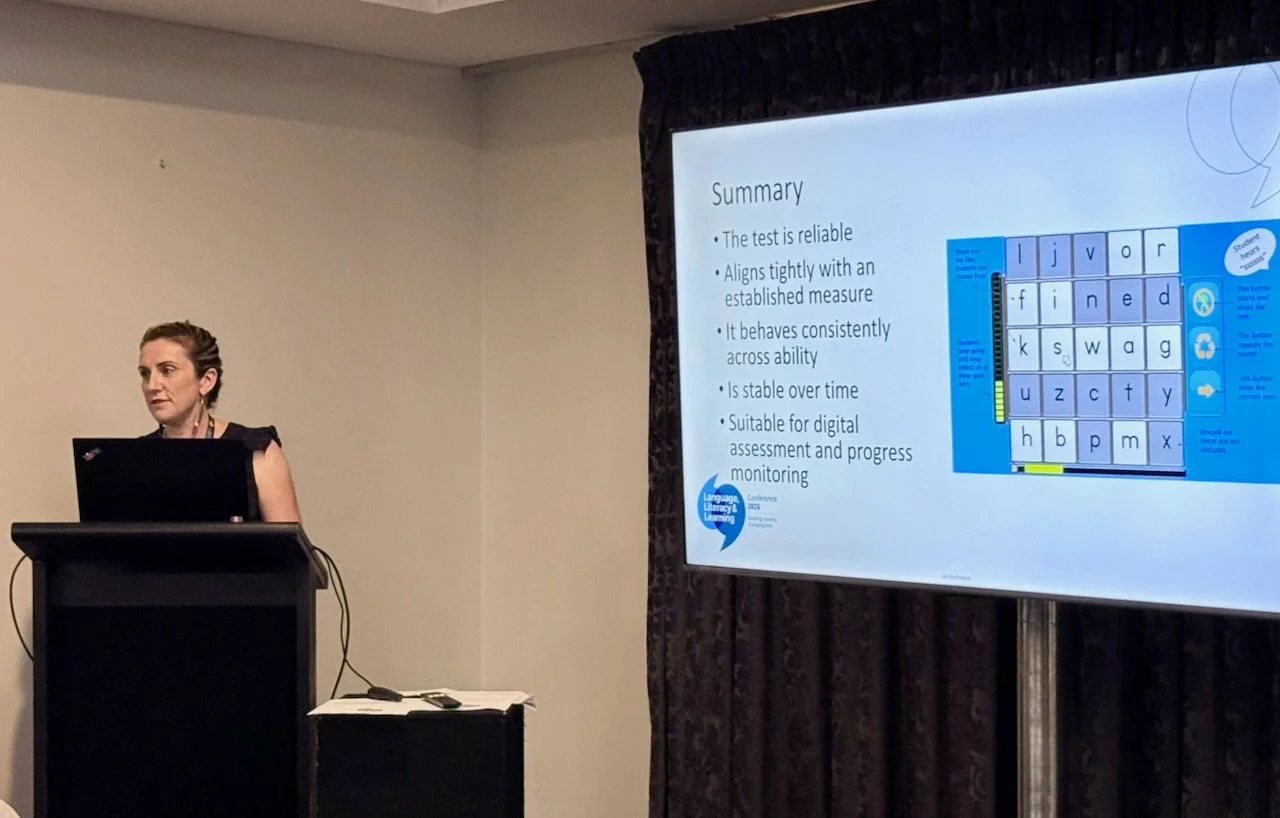
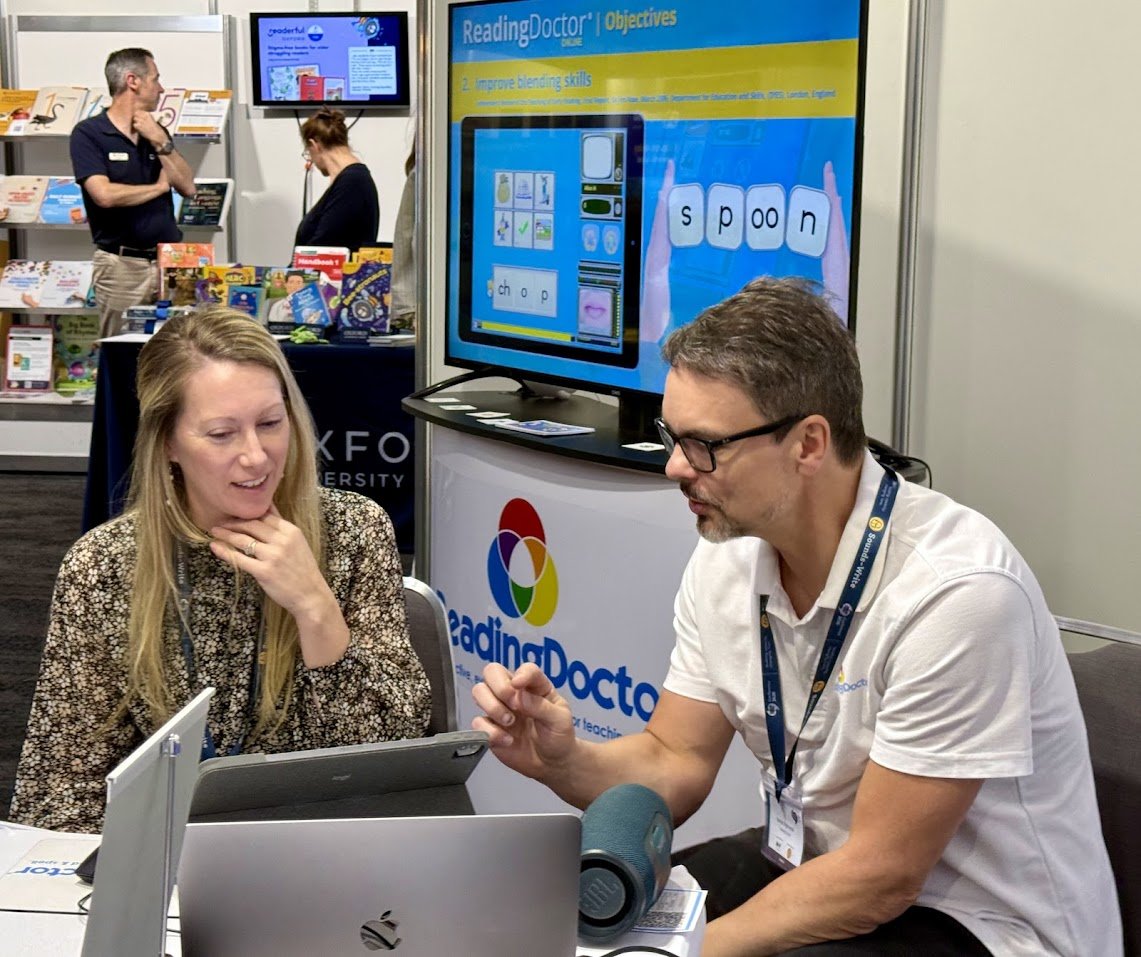
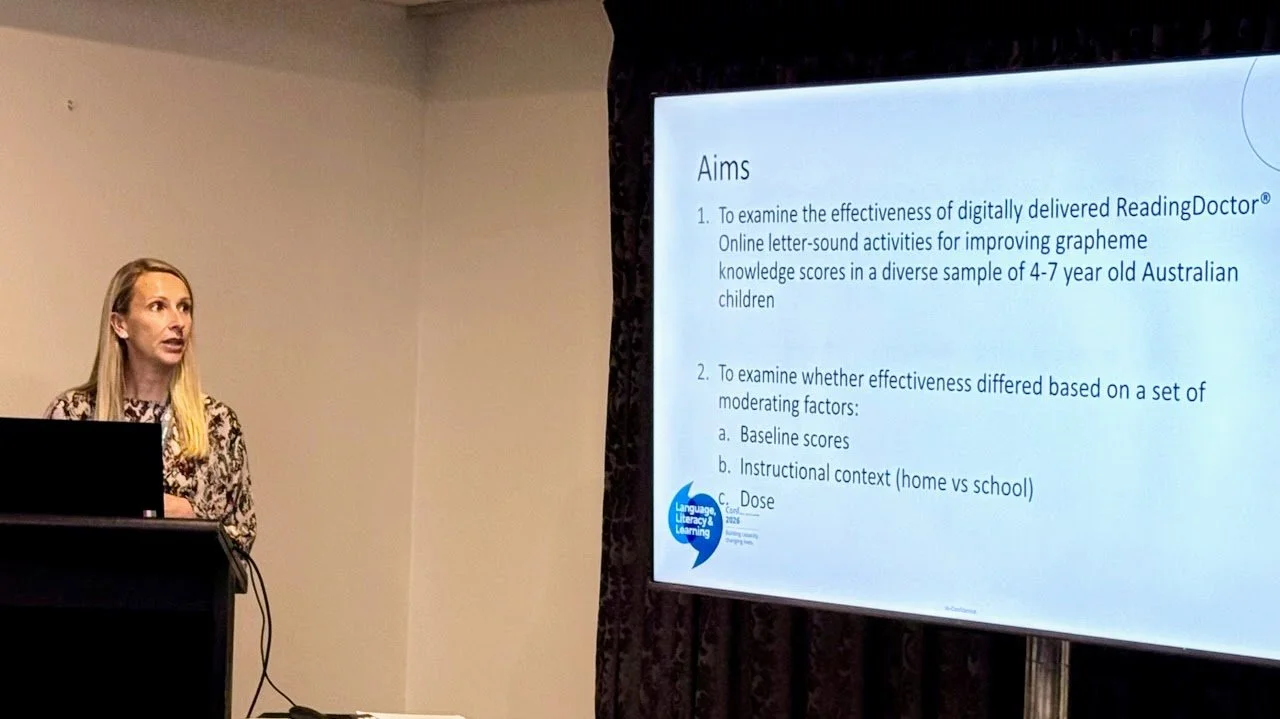
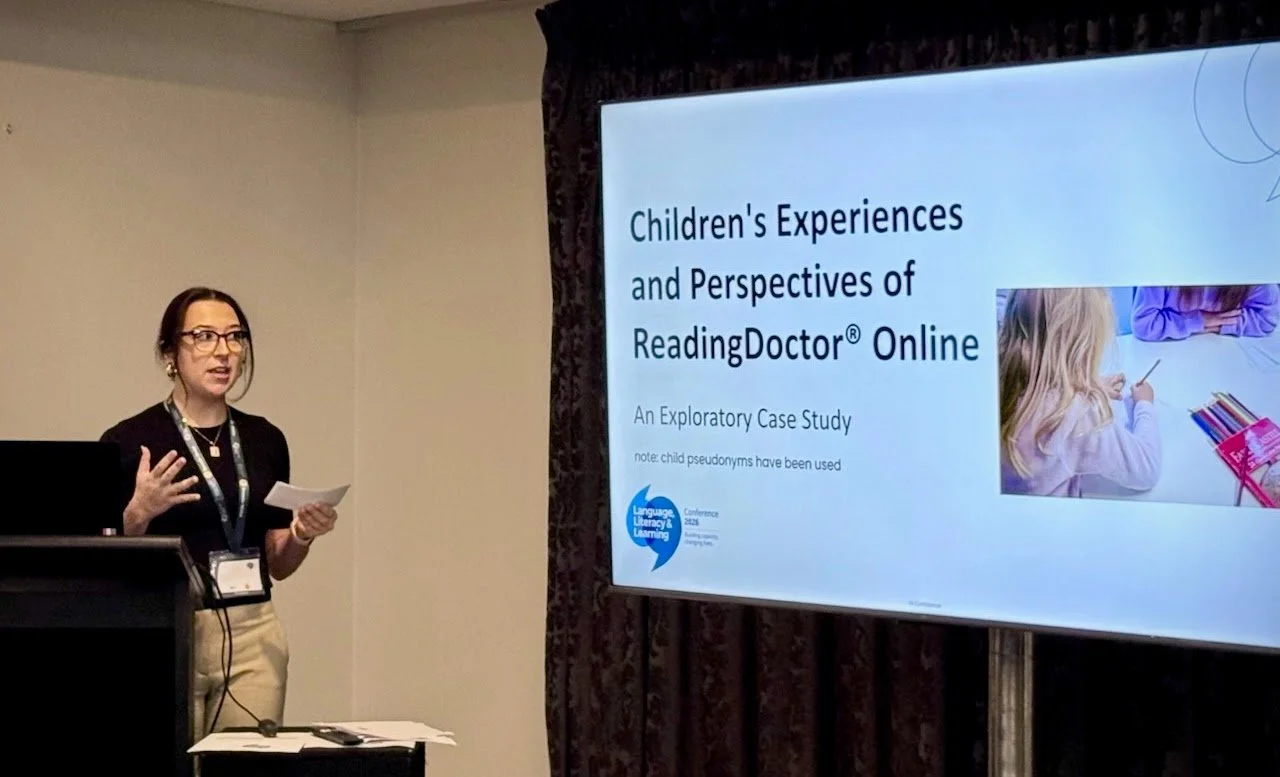
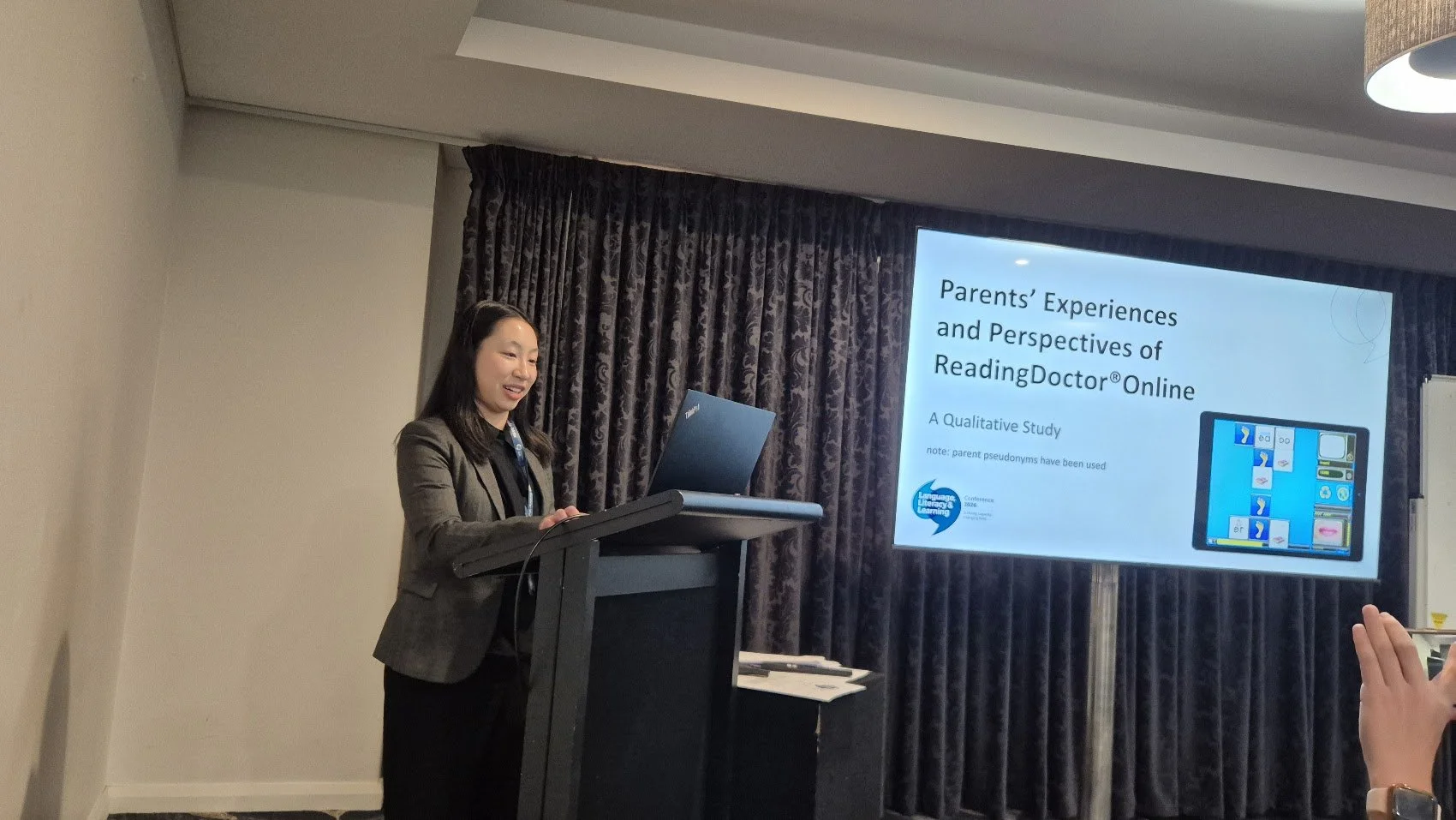
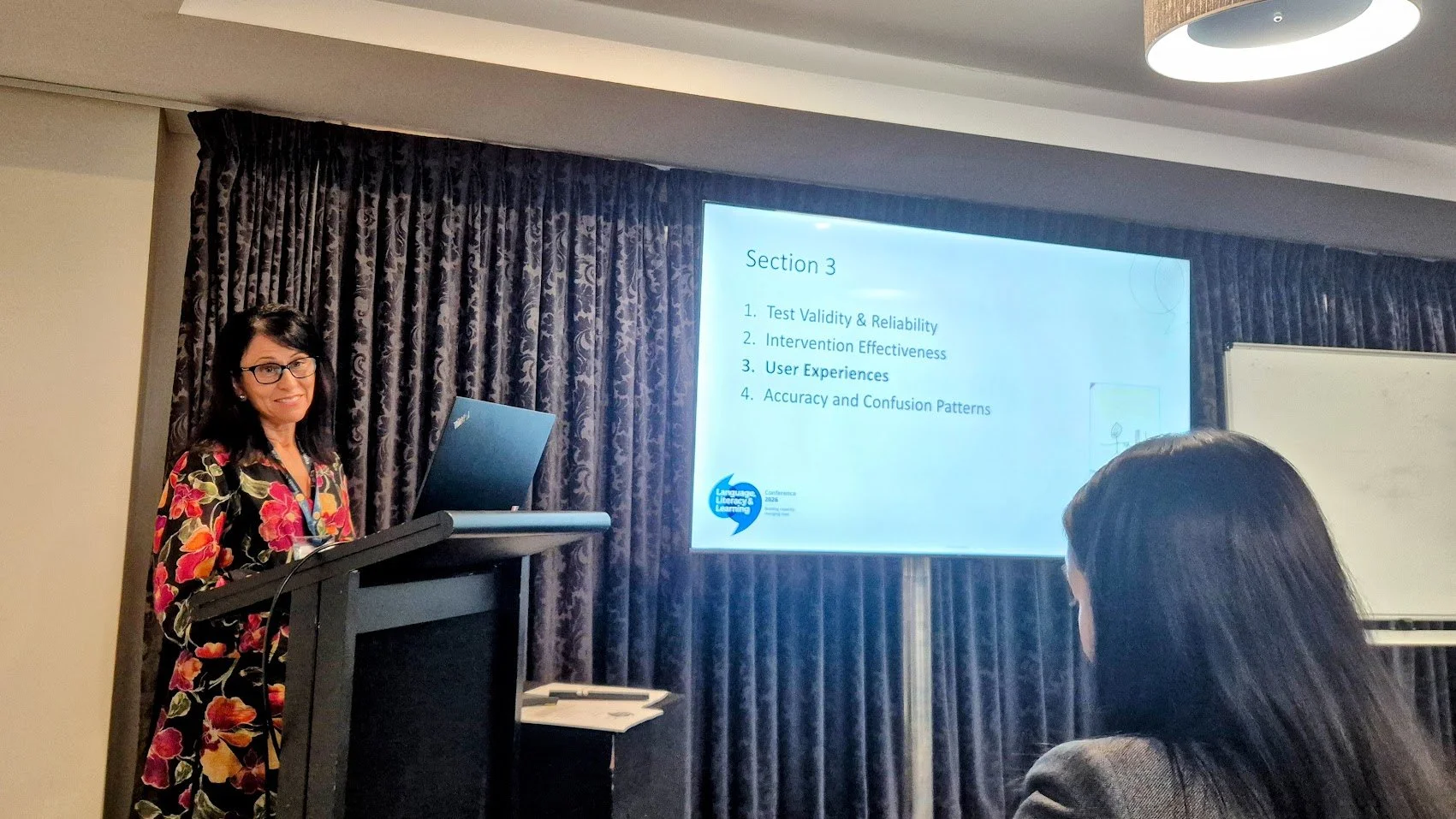
The presentation, titled “Digital phonics and scale: Effectiveness and learning patterns in ReadingDoctor® Online Letter-Sound Knowledge Activities with 4–7 year olds”, reported findings from an independent, university-led study of ReadingDoctor® Online’s letter-sound activities. The research was conducted by Dr. Emma Grace, Dr. Lisa Furlong, Dr. Karyn Carson, Dr. Megan Gath, Rosanna Barani, Erin Goh and Pina Capella. ReadingDoctor® provided complimentary access for participants, but was not involved in the study design, data collection, analysis or interpretation.
The study focused specifically on children’s letter-sound knowledge - the ability to connect speech sounds with the written letters and letter patterns that represent them. This is a critical foundation for early word reading and spelling. While ReadingDoctor® Online includes a broad range of activities targeting phonemic awareness, decoding, spelling, word reading and sight word learning, this evaluation focused on the platform’s letter-sound activities rather than the full program.
Why letter-sound knowledge matters
To read unfamiliar words, children need to understand how written symbols represent the sounds in spoken language. For example, they need to learn that the letter m represents the sound /m/, that sh represents the sound /sh/, and that other spelling patterns such as igh, ai, ee, er and oa can represent different sounds in words. Strong letter-sound knowledge helps children decode unfamiliar words, spell words more accurately and build the automatic word recognition skills needed for fluent reading. This is why explicit, systematic phonics instruction is such an important part of early literacy teaching.
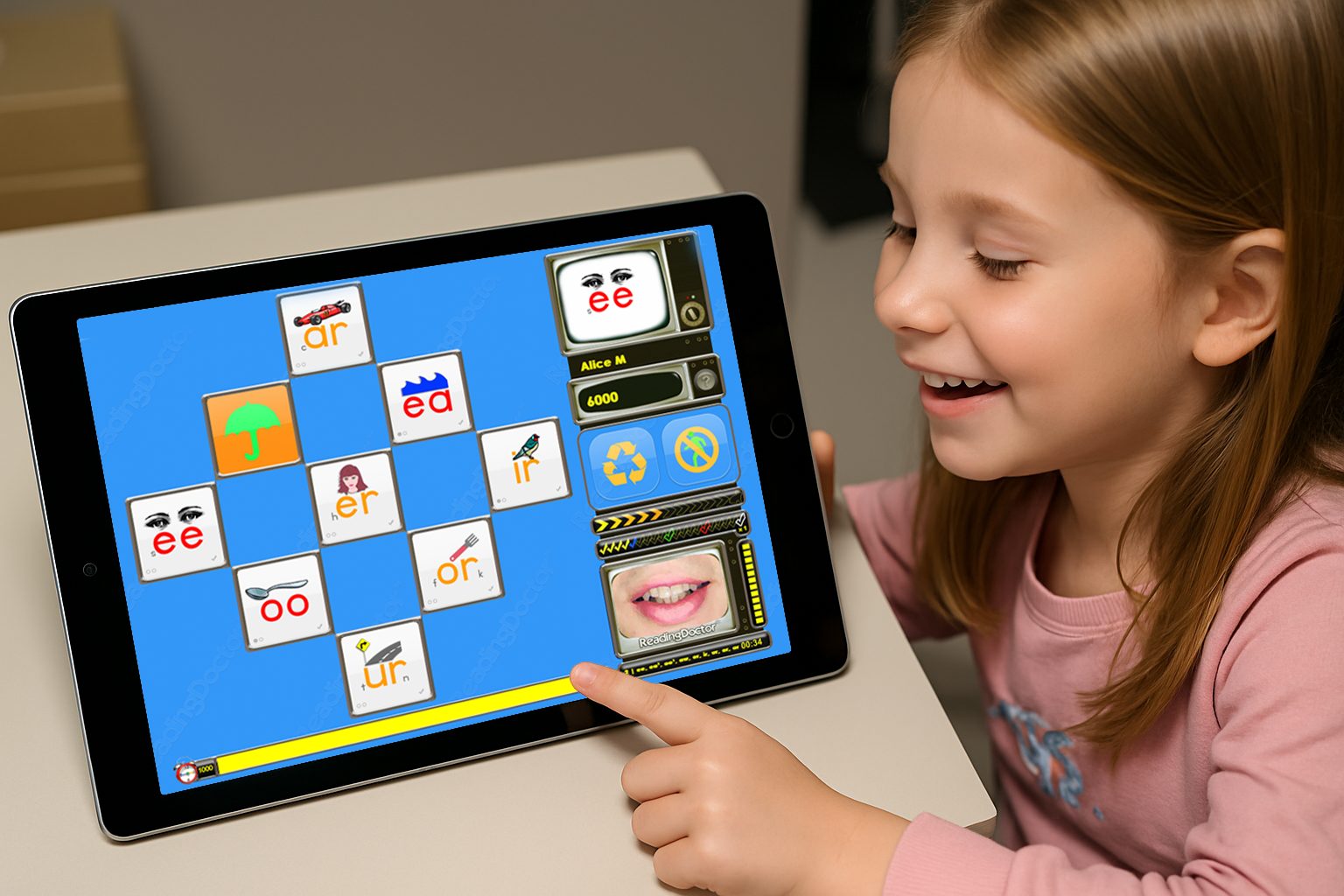
ReadingDoctor® Online is designed to support this learning through structured, explicit and highly scaffolded digital activities. The program provides modelling, guided practice, independent practice, immediate feedback and adaptive progression. It is used by schools, parents and speech pathology clinics to support beginning and struggling readers.
What the study examined
The presentation reported on several connected parts of the research project:
Whether eight weeks of ReadingDoctor® Online letter-sound activities improved children’s letter-sound knowledge.
Whether the ReadingDoctor® Grapheme-Knowledge Test is a valid and reliable digital measure of children’s phoneme-grapheme knowledge.
How children, parents and teachers experienced the use of ReadingDoctor® Online in home and school settings.
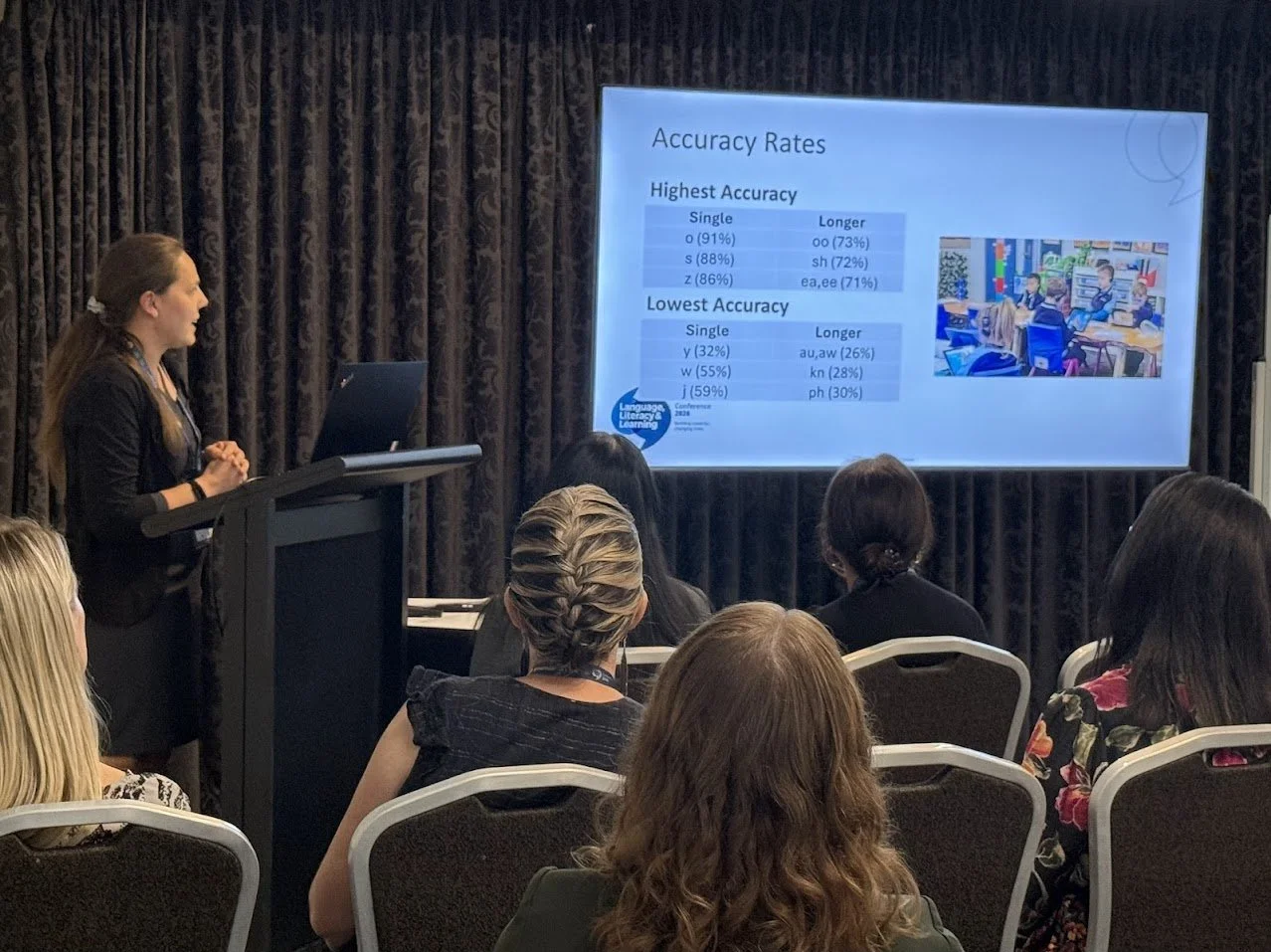
What children’s response patterns revealed about common letter-sound confusions, including the role of visual and articulatory similarity.
The study recruited a large inclusive sample of Australian children aged 4–7 years. In the effectiveness analysis, 387 children were included after exclusion criteria were applied. Children participated across 33 classrooms and 59 home settings.
Large gains in letter-sound knowledge
The most important finding was that children who used the ReadingDoctor® Online letter-sound activities made large, statistically significant gains in letter-sound knowledge compared with children in the waitlist control group. The researchers reported that the intervention group showed substantially more growth between the first and second assessment points than the control group. When the control group later received the intervention, their letter-sound knowledge also improved significantly. The study also found that ReadingDoctor® Online was effective in both school and home settings. Children made similar gains whether they completed the activities at school or at home. This is an important finding because it suggests that structured digital phonics practice using ReadingDoctor® Online can be useful across different learning contexts.
“The most important finding was that children who used the ReadingDoctor® Online letter-sound activities made large, statistically significant gains in letter-sound knowledge compared with children in the waitlist control group. ”
Children who started lower made the biggest gains
Another important finding was that the activities appeared to have a compensatory effect. Children who began the study with lower letter-sound knowledge made the greatest gains. This is particularly encouraging because early difficulties with letter-sound knowledge can place children at risk of later reading difficulties. A tool that helps children with weaker starting skills make strong progress may be especially valuable when used alongside high-quality classroom instruction, tutoring or intervention.
More practice was linked with more progress
The researchers also examined the relationship between the amount of practice children completed and their learning outcomes. They found a clear dose-response pattern: children who completed more activities tended to make greater progress. For every 10 activities completed, children showed an average increase of approximately 2.6% in their grapheme knowledge scores. The researchers did not find evidence of diminishing returns within the range of usage observed during the study. Interestingly, the average recorded learning time was around 90 minutes across the eight-week intervention period, which was less than the researchers had initially recommended. Even with this relatively modest average usage, the study still found a significant positive effect.
The ReadingDoctor® Grapheme Knowledge Test showed strong validity and reliability
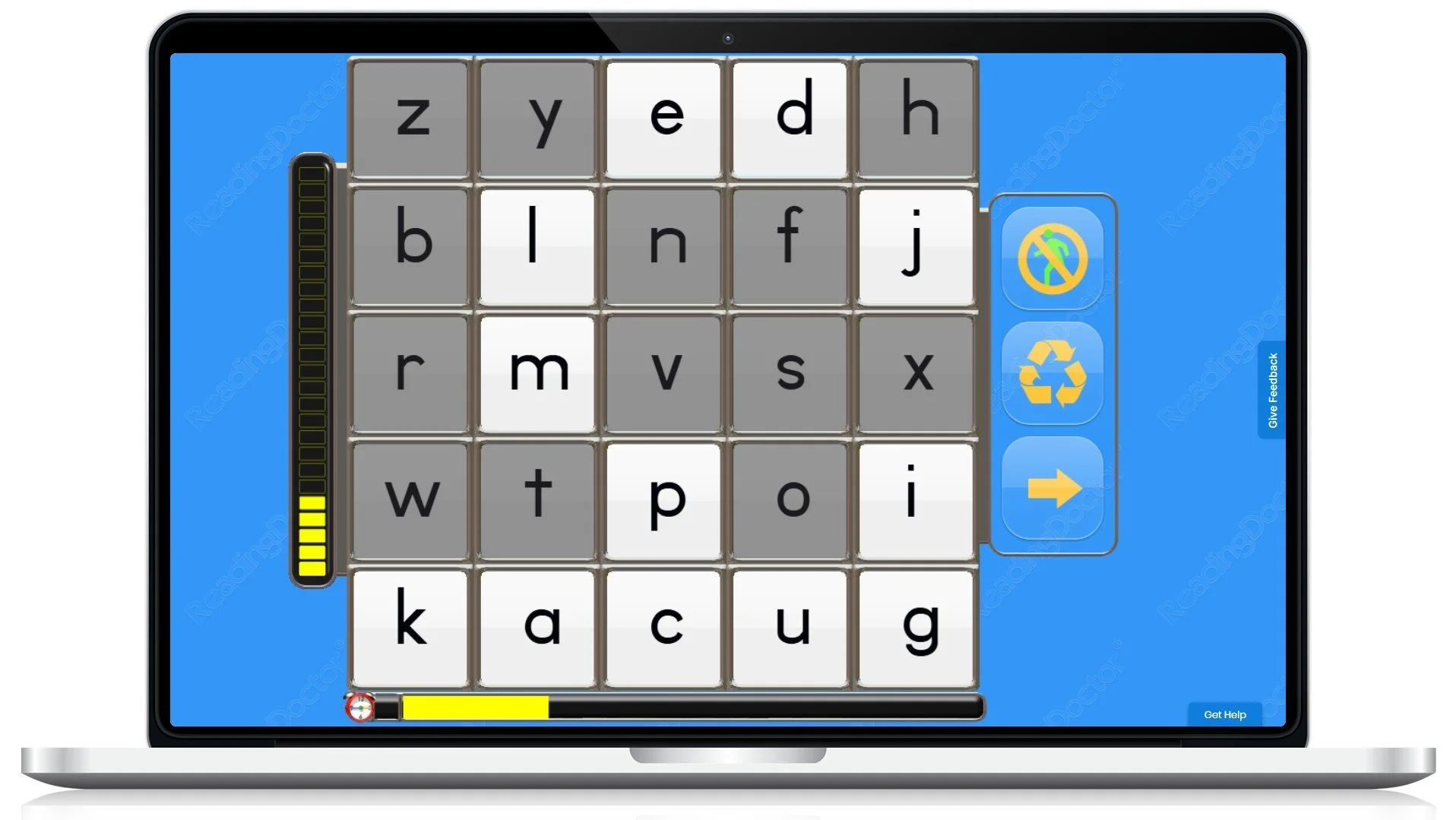
The study also evaluated the ReadingDoctor® Grapheme Knowledge Test. This digital assessment asks children to listen to a speech sound and select the matching grapheme from options on the screen. The researchers compared the ReadingDoctor® Grapheme Knowledge Test with an established measure, the Letter-Sounds Test (LeST) (Larsen et al, 2015). They reported strong correlations between the two measures, suggesting that the ReadingDoctor® Grapheme Knowledge Test can be a useful digital tool for assessing and monitoring children’s letter-sound knowledge.
The ReadingDoctor® Grapheme Knowledge Test will be added to ReadingDoctor® Online in the coming weeks.
Teachers and children valued the mix of teacher-led and digital instruction
Qualitative findings from classroom-based case study work suggested that ReadingDoctor® Online was viewed as an engaging and meaningful part of the literacy routine. A key theme was that teacher-led phonics instruction and digital phonics practice appeared to reinforce one another. Children and teachers did not express a preference for digital instruction replacing teacher-led teaching. Instead, they valued both. Teachers described ReadingDoctor® Online as helping students practise at the level they needed, while teacher-led instruction supported broader understanding of phonics rules and concepts. This aligns with the way ReadingDoctor® Online is intended to be used: as a tool to strengthen crucial word-recognition skills, not as a complete reading curriculum. It should be used alongside explicit classroom teaching, oral language and vocabulary instruction, decodable text reading, fluency practice, comprehension work, adult read-alouds and regular assessment.
Children found the activities engaging and easy to use
Children interviewed as part of the study responded positively to ReadingDoctor® Online. They valued the game-like features, the points and leaderboard elements, and the sense of progress. Children reported that the app helped them learn letter sounds, and some included graphemes in their drawings about the experience. Children also described the app as easy to navigate. This matters because young children need digital tools that allow them to focus on the learning task rather than becoming overloaded by confusing instructions or complicated controls. The researchers also noted that some children felt nervous or disappointed when they made mistakes. This is a useful reminder that adult encouragement remains important, especially for children who already feel unsure about their reading ability.
Parents valued the personalised practice and feedback
Parents interviewed in the study described ReadingDoctor® Online as easy for children to use and valued the way it provided personalised practice. Parents also noticed that the immediate feedback and encouragement in the software helped motivate their children to continue. At the same time, the parent interviews showed that adult support still matters. Encouragement, routines and small reward systems helped children keep practising. Children benefited most when adults helped establish consistent practice habits.
Error patterns revealed useful information about how children learn
The researchers also analysed a large dataset of children’s responses. This included around 72,000 responses to test items, as well as activity data from unscaffolded practice items. The analysis showed that children’s errors were not random. Confusions were more likely when graphemes looked visually similar or when speech sounds were articulatorily similar. For example, common confusions included visually similar letters such as b and d, as well as sounds that are produced in similar ways. This kind of data is valuable because it can help researchers and educators better understand which letter-sound correspondences are more difficult for children and why. It also highlights one of the advantages of digital learning platforms: they can collect detailed learning data that may help improve assessment, instruction and intervention over time.
What this means for schools, clinicians and families
These findings provide evidence that ReadingDoctor® Online letter-sound activities can meaningfully support early phonics learning. The results are particularly important because the study included a large, diverse sample of young Australian children, with participation across both school and home settings.
The findings suggest that ReadingDoctor® Online can be used to:
strengthen children’s letter-sound knowledge;
provide structured, adaptive practice;
support children who begin with weaker letter-sound knowledge;
give teachers and parents useful information about progress;
complement explicit teacher-led phonics instruction.
ReadingDoctor® Online should not be viewed as a replacement for high-quality literacy teaching. Instead, it is best understood as a powerful supplementary tool that provides carefully sequenced, evidence-informed practice in the foundational word-recognition skills children need for reading and spelling.
A growing evidence base
ReadingDoctor® Online was designed to be scientifically based and is supported by a growing number of independent studies. Previous research has reported improvements in phoneme blending, phoneme segmentation, letter-sound knowledge, phonemic awareness, decoding and word reading skills after use of ReadingDoctor® software (Evidence Supporting Reading Doctor). The findings presented at the 2026 DSF Conference add to this evidence base by showing promising results at a larger scale and in real-world home and school contexts.
Summary
The independent Flinders University evaluation presented at the 2026 DSF Conference found that children who used ReadingDoctor® Online letter-sound activities made large gains in letter-sound knowledge. The activities were effective in both home and school settings. Children who started with lower skills made the greatest gains, and greater use was associated with greater progress. The study also supported the validity and reliability of the ReadingDoctor® Grapheme Knowledge Test and provided useful insights into children’s learning patterns and common confusions.
These results support the use of ReadingDoctor® Online as an evidence-based digital tool for strengthening foundational phonics skills in beginning and struggling readers.
We look forward to sharing more information once the research is formally reviewed and published.